
JP - Rooftop Solar in Japan: How Factories Cut Energy Risk
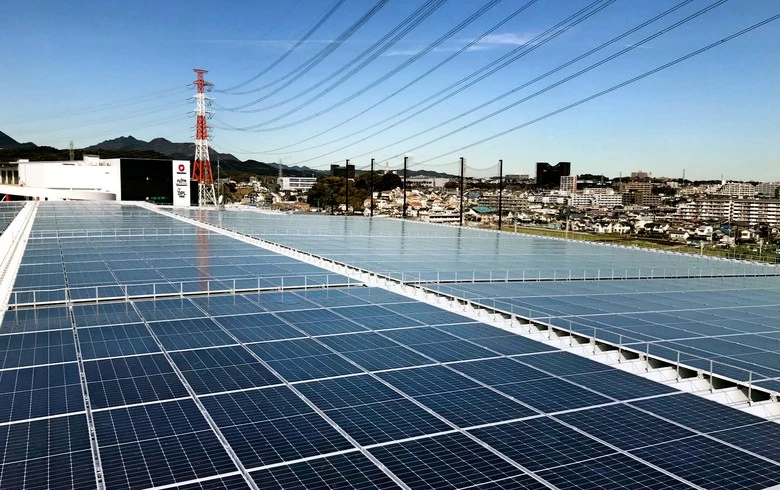
Japan’s energy crisis and why factory rooftops matter
Rooftop solar for Japanese factories turns unused roofs and parking areas into on-site power plants, helping companies reduce reliance on imported fossil fuels, stabilize electricity costs, and strengthen business continuity. By generating clean power on their own premises, manufacturers can turn energy from a pure cost into a strategic asset.
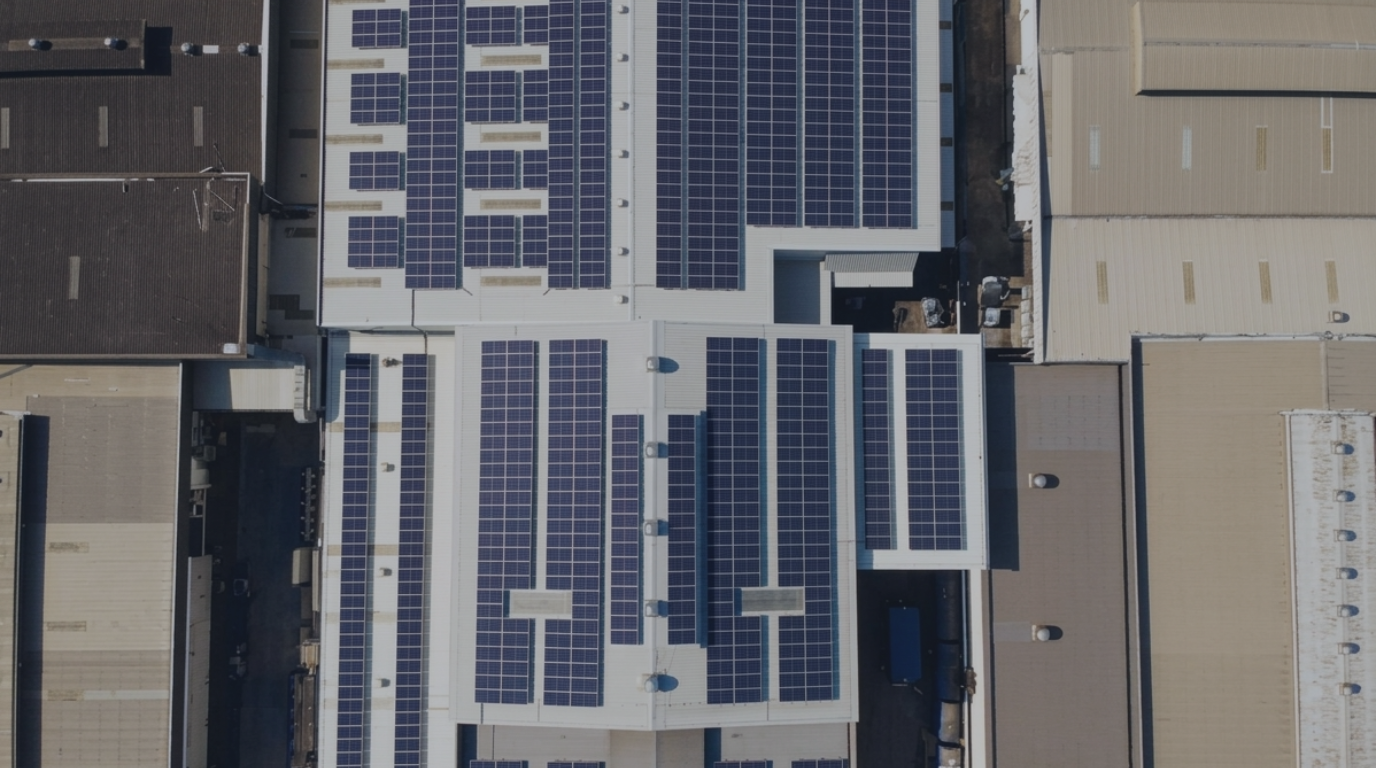
Japan’s energy self-sufficiency rate is only around 15%, leaving companies exposed to fuel price spikes and currency swings. Geopolitical tensions in the Middle East, for example, can quickly flow through to Japanese electricity prices. A single factory cannot change global markets, but it can turn its roof into a local, long-term power source that partly replaces imported fuels.
For manufacturers with high outage costs, integrating rooftop solar with batteries directly supports business continuity planning. Even if the grid fails, critical loads—such as servers, compressors, or safety systems—can keep running. This shift from “only buying electricity” to “also producing and storing it on-site” is becoming a core competitiveness lever for Japanese industry.
Concrete benefits of rooftop solar for Japanese manufacturers
For Japanese factories and logistics centers with wide, flat roofs, rooftop solar and solar carports are a natural fit. Self-consumption models let companies use nearly all generated power on-site, cutting daytime grid purchases and CO₂ at the same time. In energy‑intensive sectors like auto parts, food processing, and cold logistics, this can materially reduce operating costs.
A key advantage for corporate budgets is that modern projects often use long‑term on‑site corporate PPAs or roof‑leasing schemes. Under these models, a specialist developer designs, finances, builds, and maintains the system, while the factory simply buys the electricity at an agreed fixed or indexed price. This avoids large upfront capex and reduces exposure to future price volatility.
Japan’s harsh climate—heat, humidity, snow, and typhoons—means system design must respect roof load limits, waterproofing, and local codes. Using certified modules, robust mounting structures, and control systems engineered to Japanese standards, developers can build assets designed to operate reliably for 20 years or more, turning solar into long‑life infrastructure rather than a short‑term gadget.
A Japan-built rooftop solar model that strengthens industry
Rooftop solar on factories is not just about cheap power; it can also become a domestic industrial platform. Across modules, inverters, structures, engineering, construction, and O&M, there is room for Japanese manufacturers, engineers, and contractors to play central roles and retain value inside the country.
Because Japanese factories have specific roof shapes, seismic requirements, and fire codes, local engineering expertise is essential. Teams familiar with Japanese building standards can survey existing facilities, run detailed structural and lightning-protection studies, and design layouts that respect evacuation routes while maximizing yield. This turns each project into a learning engine for local supply chains.
In operation, Japanese-language monitoring, regular inspections, and rapid on‑site response during faults are critical. Domestic partners can use performance data to suggest module cleaning, inverter replacements, or partial repowering, keeping output high over decades. In this way, “made and managed in Japan” rooftop solar raises both national energy self‑reliance and the competitiveness of export‑oriented manufacturers.
Inside the JTEKT–Peak Energy solar carport PPA case

A recent project at JTEKT’s Kagawa facility shows how this model works in practice. Under a 20‑year on‑site PPA, Peak Energy has delivered a 2 MW solar carport that covers around 640 parking spaces and is expected to generate about 2,500 MWh of electricity per year, helping cut electricity costs by nearly 40% (The Driven).
Peak Energy handled project development, design, financing, construction, and ongoing O&M, while JTEKT provided its site and commits to buy the electricity at a pre-agreed price. All generated power is consumed within the plant, supporting both decarbonization targets and energy cost visibility (Enehub).
The project also complements existing rooftop solar installed at the site, showing how factories can combine multiple surfaces—roofs, car parks, and later even adjacent land—to build a diversified on‑site renewable portfolio. As design and construction standards are replicated to other plants, this kind of “Japan‑specific rooftop solar model” can scale across supply chains, quietly but steadily raising Japan’s energy self‑sufficiency from the factory roof up.
Related
Lorem ipsum dolor sit amet, consectetur adipiscing elit.

Blog title heading will go here

Blog title heading will go here
Blog title heading will go here